

Striking off and members’ voluntary winding up — Documents required and templates
Striking off and members’ voluntary winding up are the two orderly ways to close a solvent Singapore company, and each has a distinct set of documents and templates. This guide explains which route fits, what paperwork ACRA expects, and the timelines and costs so directors can close cleanly rather than leaving a dormant shell.
Raffles Corporate Services works with a panel of corporate and employment law firms; this article is general information, not legal advice.
What striking off and members’ voluntary winding up mean
Striking off is an administrative removal of a company from the register where it is not carrying on business and has no assets or liabilities. Members’ voluntary winding up is a formal liquidation of a solvent company, run by a liquidator, ending in dissolution. Section 344 of the Companies Act 1967 provides for a company to be struck off the register where the Registrar has reasonable cause to believe it is not carrying on business, while the winding-up provisions govern the formal liquidation route with a declaration of solvency.
Who should read this
Directors and shareholders closing a company, company secretaries managing the exit, and finance leads settling final tax and accounts are the audience. Founders winding down a venture that never traded also benefit, because striking off is usually cheaper and faster when the company is genuinely clean.
Documents required for each route
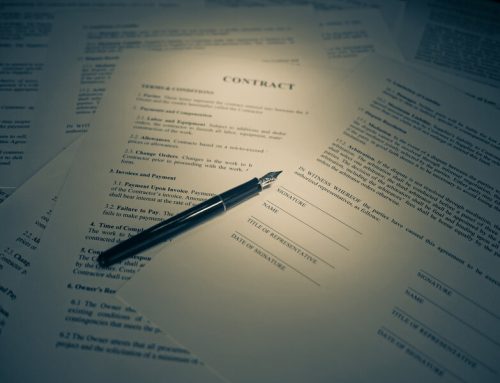
For striking off, prepare directors’ and shareholders’ resolutions approving the application, confirmation that the company has ceased business and has no assets or liabilities, closure of bank accounts, and settlement of outstanding tax with IRAS. For members’ voluntary winding up, prepare the declaration of solvency, the members’ resolution to wind up and appoint a liquidator, notices to creditors, and the liquidator’s account of the winding up. Our on-site walkthrough of members’ voluntary liquidation in Singapore sets out the liquidator steps in order.
Cost and timeline
Striking off is the cheaper path. ACRA does not charge a fee for the strike-off application itself, and the process typically takes around four to five months from application to final removal, including the gazette notice periods. Members’ voluntary winding up involves liquidator fees that commonly run from a few thousand Singapore dollars upward and takes longer, often six to twelve months, because of statutory meetings and the final account. Tax clearance with IRAS is a gating step in both routes.
Step-by-step: closing the company
Confirm solvency and that the company has ceased trading. Settle all liabilities, close bank accounts and finalise accounts. Obtain tax clearance from IRAS and file any outstanding returns. Pass the board and members’ resolutions for the chosen route. Lodge the strike-off application, or appoint a liquidator and file the declaration of solvency. Respond to any objections during the notice period. Complete final removal or dissolution. Final tax steps such as the Estimated Chargeable Income filing should be squared away before closure.
Common mistakes and gotchas
The usual problems are applying to strike off while assets or liabilities remain, forgetting to close bank accounts, and missing final tax filings. Objections from IRAS or creditors can halt a strike off. Directors also overlook that a struck-off company can be restored within a statutory window, so records should be retained. Where directors are foreign nationals, ensure any pass tied to the company is addressed; conversion routes such as DP, EP and DP to LOC conversion may be relevant if the individual continues working in Singapore.
Authority references
Strike-off and winding-up procedures and forms are published by ACRA, the statute sits on Singapore Statutes Online, and tax clearance is handled by the Inland Revenue Authority of Singapore.
Worked example: choosing between the two exits
A dormant holding company that never traded, has closed its bank account and has no assets or liabilities is a textbook strike-off candidate: no ACRA fee for the application itself, and around four to five months to final removal once the notice periods run. A trading company with retained cash to distribute to shareholders is different; a members’ voluntary winding up, run by a liquidator, is the clean route, but it carries liquidator fees commonly from a few thousand Singapore dollars upward and takes six to twelve months because of the statutory meetings and final account.
In both cases, tax clearance with IRAS gates the exit. The practical sequence is to finalise the accounts, file any outstanding returns and the final Estimated Chargeable Income position, settle liabilities, close the bank account, then pass the resolutions and lodge. Applying to strike off while a single liability or open bank account remains is the most common reason an application is rejected or an objection is filed.
FAQs
Which is cheaper, striking off or winding up? Striking off is cheaper and faster for a clean, dormant company; winding up suits companies with assets to distribute.
How long does striking off take? Around four to five months including the notice periods, assuming no objections.
Do I need tax clearance first? Yes. Outstanding tax and unfiled returns must be resolved with IRAS before closure completes.
Can a struck-off company be restored? Yes, within a statutory window, which is why records should be kept after removal.
Need help with this? Call, SMS or WhatsApp +65 8501 7133, or email [email protected]. Raffles Corporate Services works with a panel of corporate and employment law firms; this article is general information, not legal advice.


Leave A Comment